


-
 NEW IN
All - NEW IN View
NEW IN
All - NEW IN ViewNEW IN
Primavera Home is introducing new furniture and lighting collections inspired by the latest trends. We're transforming for you, bringing even more elegance and unique style to your interiors.

-
 SALE
SALE
-
 48H
48H
-
 Furniture
-
 Lighting
All - Lighting View
Lighting
All - Lighting View New in
 -
 Rugs
Rugs
-
 Decorations
Unique decorations for your interior.
Decorations
Unique decorations for your interior.


Luxury Minimalism – Combining Elegance with Simplicity in Interiors
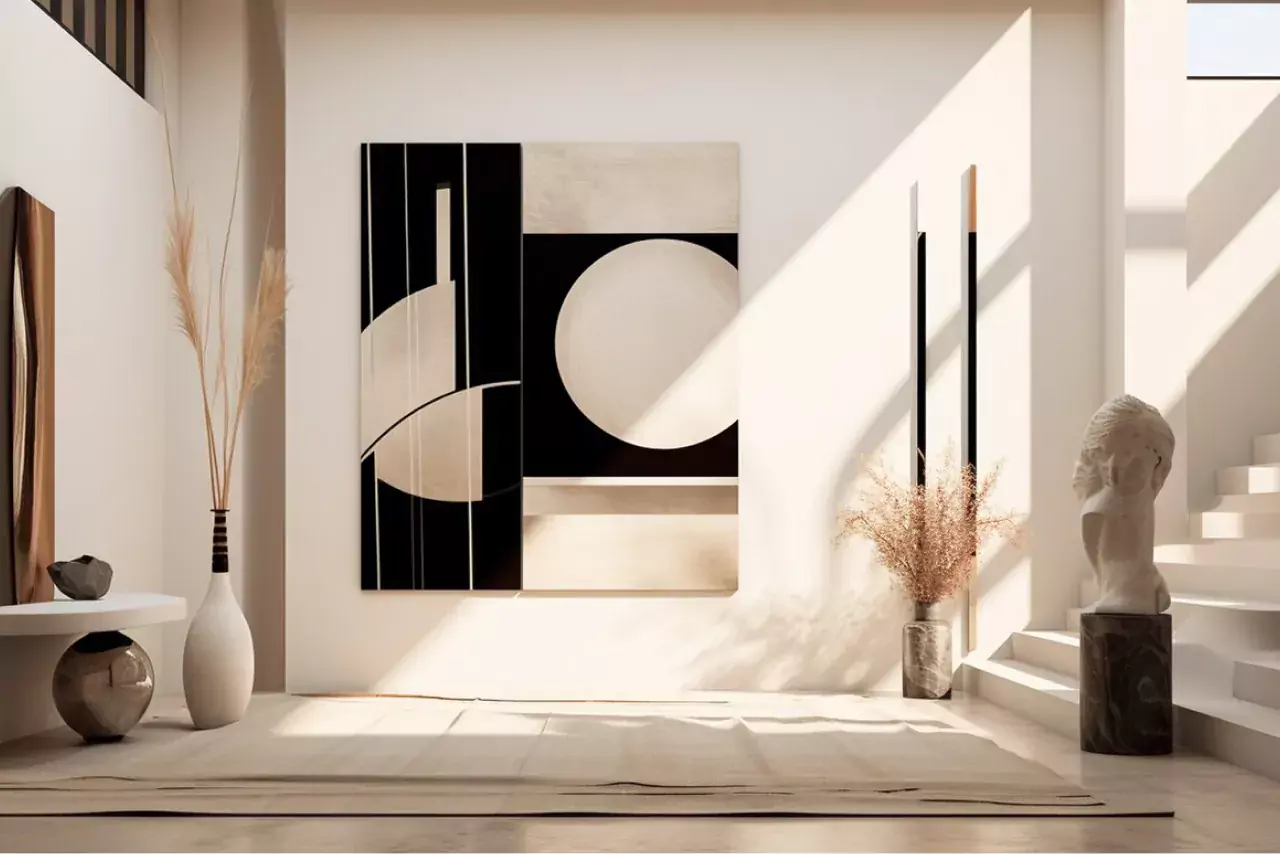
Choosing a style for your interior? If you consider yourself calm, composed, and detail-oriented, consider luxurious minimalism.
Minimalist design is practical and doesn't get boring after many years. It's usually chosen by people who consider their apartment a "oasis of peace": such an interior transforms the house into a place where you can escape the hustle and bustle of the city and truly relax.
Minimalist style in interiors - how to apply it?
Luxurious minimalism is one of the most popular trends in contemporary interior design, gaining increasing recognition among enthusiasts over the years. Although lavish decoration and a variety of details have been considered an expression of luxury for centuries, modern style has given elegance a new, fresher dimension. So, what should you keep in mind when designing such an interior?
Beauty lies in simplicity
The essence of minimalism is best described by the phrase "less is more"—a principle coined by the German-American architect and creator of the International Style, Ludwig Mies van der Rohe. In interior design, this philosophy works the same way as in architecture: the fewer elements we use, the more space we gain.
Too many decorations, bright accents, and generally any non-functional details only detract from minimalism. Everything should have its place and function—if we do use decorations, do so in large sizes to visually balance the room. It could be a large floor vase, a floor lamp, or an art object.
Neutral colors and natural textures
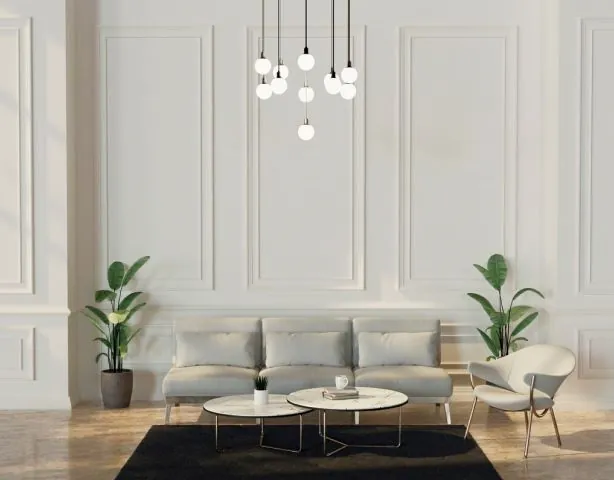
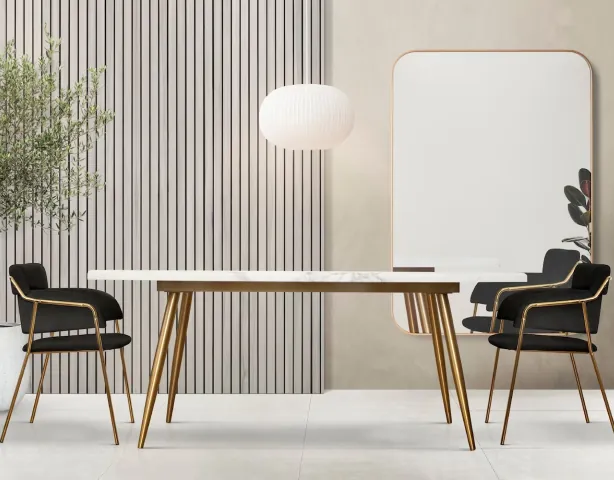
When creating minimalism, delicate, calm shades such as white, beige, milky, and light gray are suitable. The background in such an interior should not be irritating or tiring. At the same time, minimalism harmonizes beautifully with natural textures — wood, marble, stone, or their imitation.
Although minimalism can also be achieved in dark colors, it's worth understanding that in such a case, most surfaces (walls, ceiling) should be painted in this chosen color.
Remember the "rule of three" – when we have a light base, we use a contrasting color as an accent in three places. For example, beige and wooden accents in the kitchen, on the floor, and in the TV area.
Furniture with regular geometric shapes
Furniture should be uniform, free of excessive decoration, and with precise shapes, such as circles, squares, or rectangles.
When it comes to soft furnishings (sofas, pouffes), it's recommended to choose furniture without legs or with very short legs. Wardrobes can be hidden, adjusted to fit the wall, extended, or widened, while also providing additional storage space.
Despite their modesty, minimalist furniture is a combination of style and a certain elegance. Solid and functional furnishings allow you to harmoniously combine the interior into a cohesive whole, while apparent simplicity can conceal elitism.
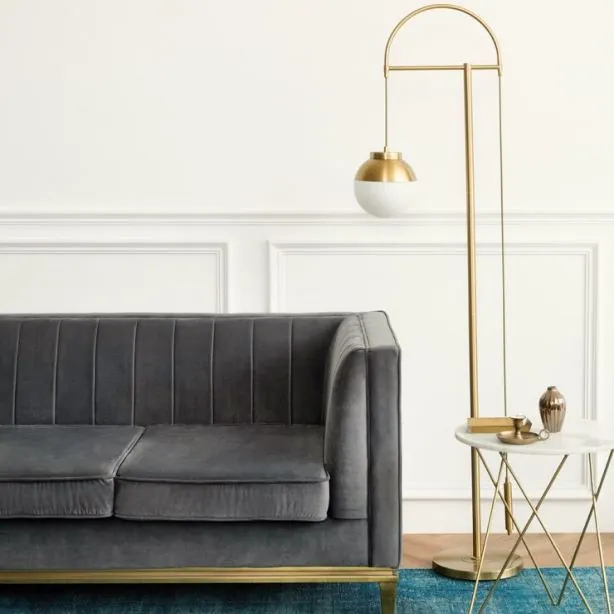
Concealed Lighting
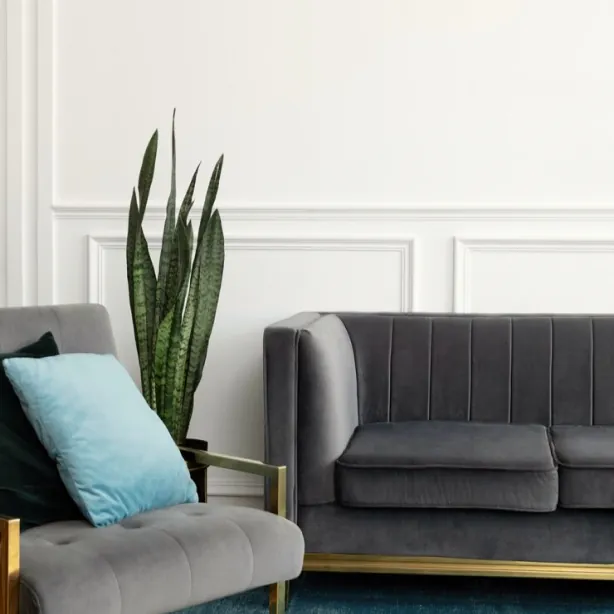
Lighting plays a crucial role in minimalist style, as it can visually enlarge a space or focus attention on details. You can combine different light sources and shades, and concealed lighting is best suited to such an interior.
Remove visible light sources, such as chandeliers or large lamps, and use concealed lighting. These can be point light sources, such as white bedside lamps, or LED strips, which perfectly fit the minimalist style and are easy to conceal on any surface.
Natural Materials
Glass, metal, and plastic are materials characteristic of luxurious minimalism, lending a certain formality to the interior. However, designers don't stop there and are eager to use natural materials.
Natural wood is characterized by durability and an attractive appearance, but requires careful maintenance. Modern board materials are a good alternative. MDF and HDF are distinguished by their practicality and a wide range of colors and textures, including those imitating natural materials.
Laconic Details
Although the "less is more" principle remains fundamental, it's the details that give an interior its individual character. Black and white panels and photos with geometric patterns, posters with text graphics and clocks with original designs, lamps with simple shapes and floor vases – such details are significant and contribute to the creation of a cohesive, aesthetically pleasing, and functional environment.
Delicate accents, carefully selected textures, and high-quality materials play a key role in creating subtle harmony in minimalist spaces. Minimalism surprises with its precision and attention to detail, making even the smallest interior elements significant, emphasizing the elegance of this unique style.
No posts found
Write a review
© 2016 Primavera-Home All rights reserved