


 New in




5 Steps to a Monochromatic Interior. Check Out Our Tips
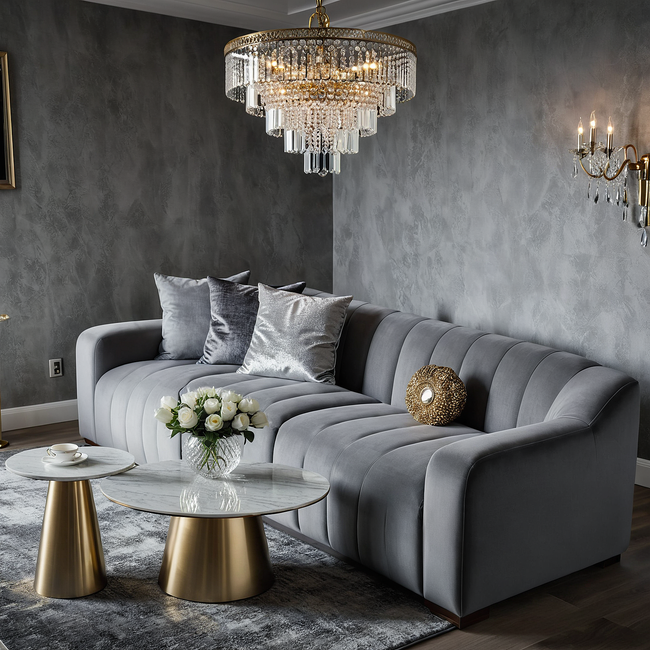
Table of contents
- How to design a monochrome interior? 5 Practical Tips You Need to Know
- 1. Choosing a Dominant Color – the Foundation of a Monochromatic Style
- 2. Playing with Shades
- 3. Subtle patterns and textures – add character
- 4. Materials and Textures – The Secret to a Dynamic Interior
- 5. Lighting and Decorations – The Play of Light and Shadow
- Monochromatic style: consistency comes first
Monochrome interiors are synonymous with elegance, harmony, and simplicity. They attract the eye with their consistency and subtlety, allowing various details to stand out. However, this doesn't mean that a single-color interior has to be boring or monotonous – quite the opposite! Skillful use of shades, textures, and materials can create a unique atmosphere in your home.Want to know how to design a monochrome interior that will delight? Use our 5 useful tips to help you achieve the WOW factor!
How to design a monochrome interior? 5 Practical Tips You Need to Know
Want to design a monochromatic interior? Don't start without us! We have 5 tips for you that will definitely be useful when designing.
1. Choosing a Dominant Color – the Foundation of a Monochromatic Style
Every project starts with the foundation, and in the case of a monochromatic interior, that foundation is choosing a dominant color. Monochromatic style is based on a single hue, which becomes the leitmotif of the entire room. The color you choose is entirely up to you and the effect you want to achieve.
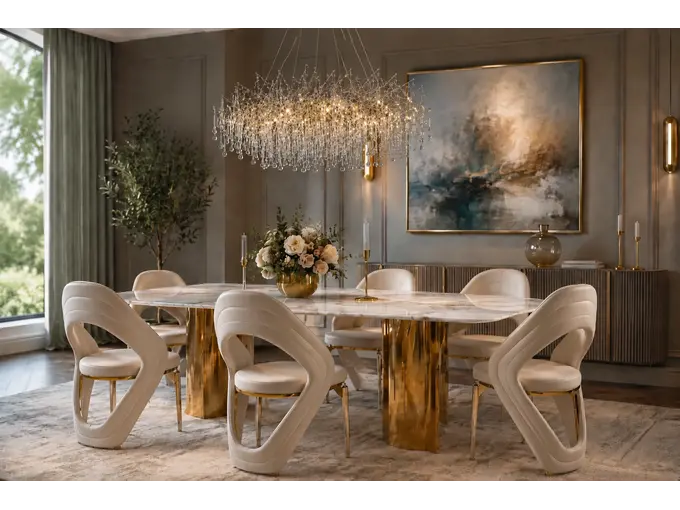
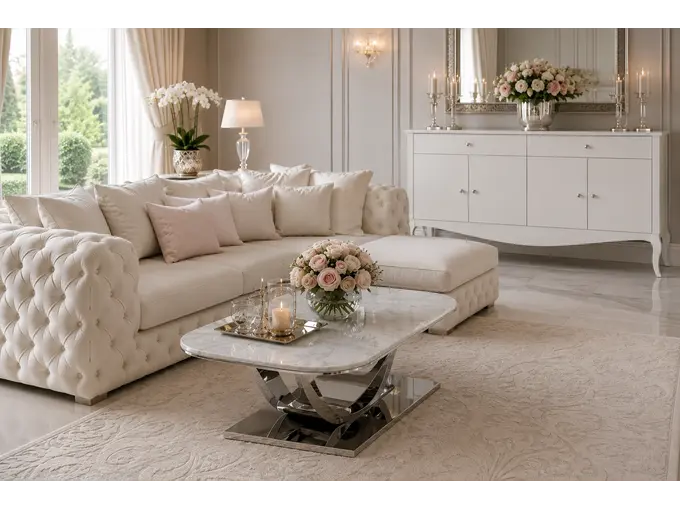
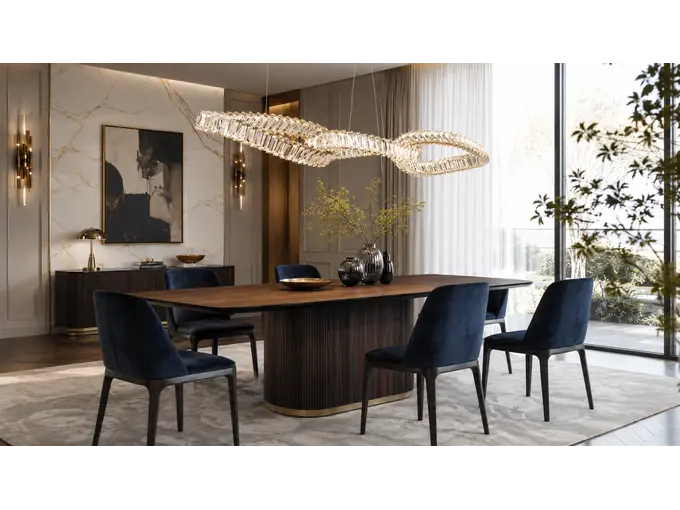
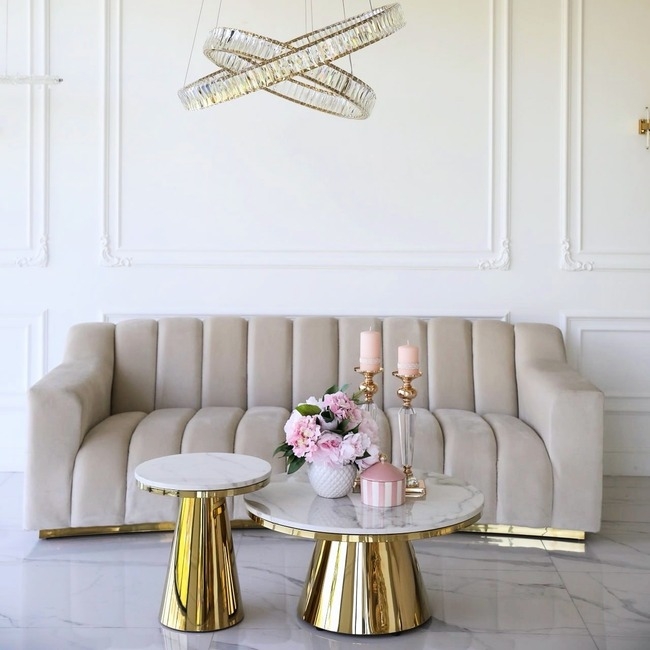
If you love interiors filled with peace and tranquility, choose subdued hues like beige, gray, or white. Monochromatic interiors don't have to be exclusively neutral! Bold colors like bottle green, navy blue, or even deep burgundy will add expressiveness to a space. It's important that the chosen color is consistent with the overall character of the home and your preferences.
2. Playing with Shades
Once you've chosen your main color, it's time for a step that will add dynamics to the interior – playing with shades. Monochromatic interiors aren't just about using a single, identical color throughout the space. Quite the opposite! The secret lies in combining different shades of the same color so that the interior doesn't look flat and uniform.
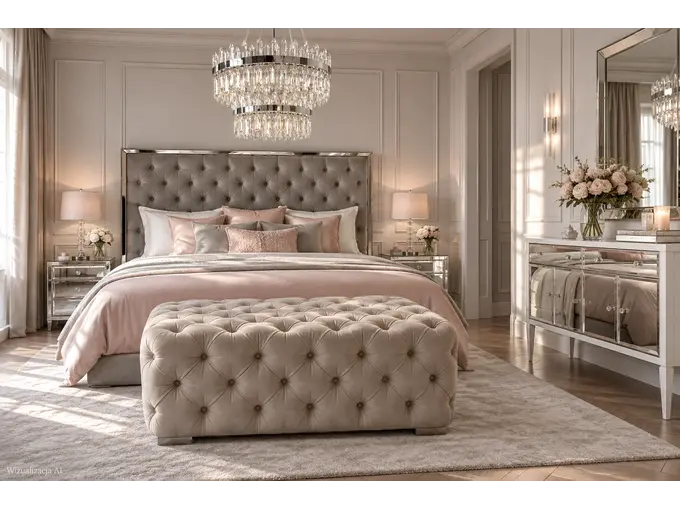
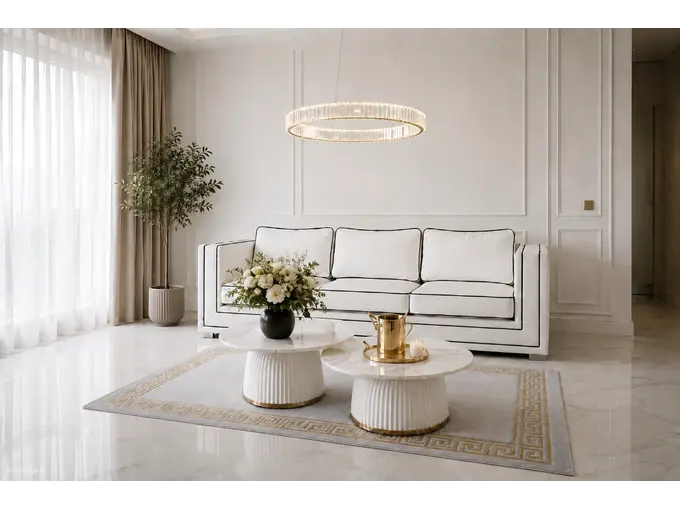
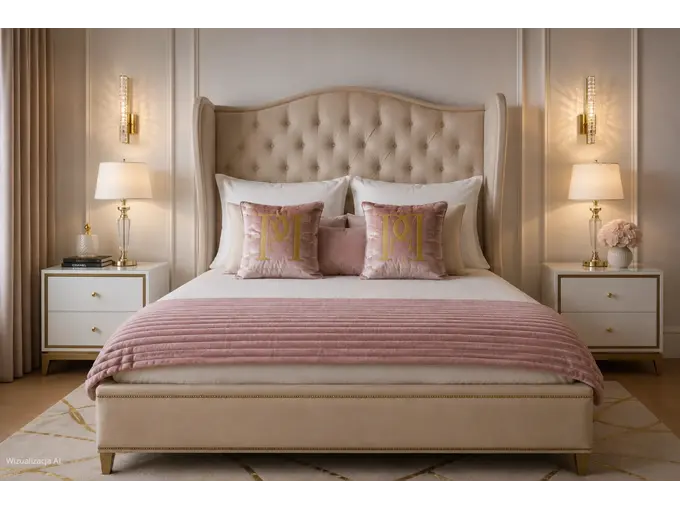
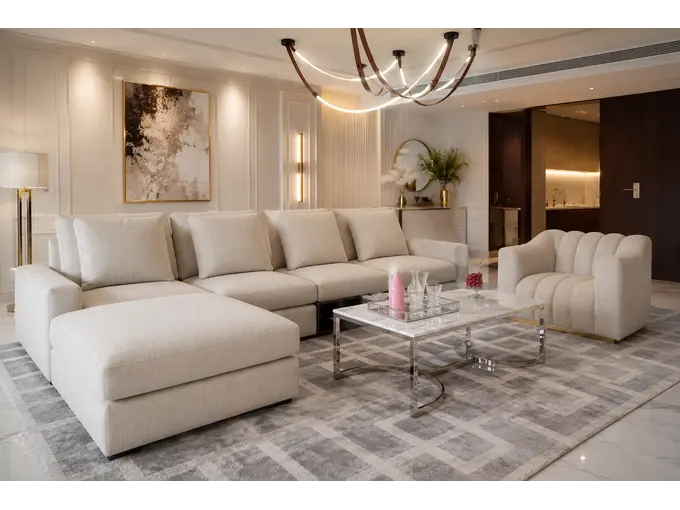
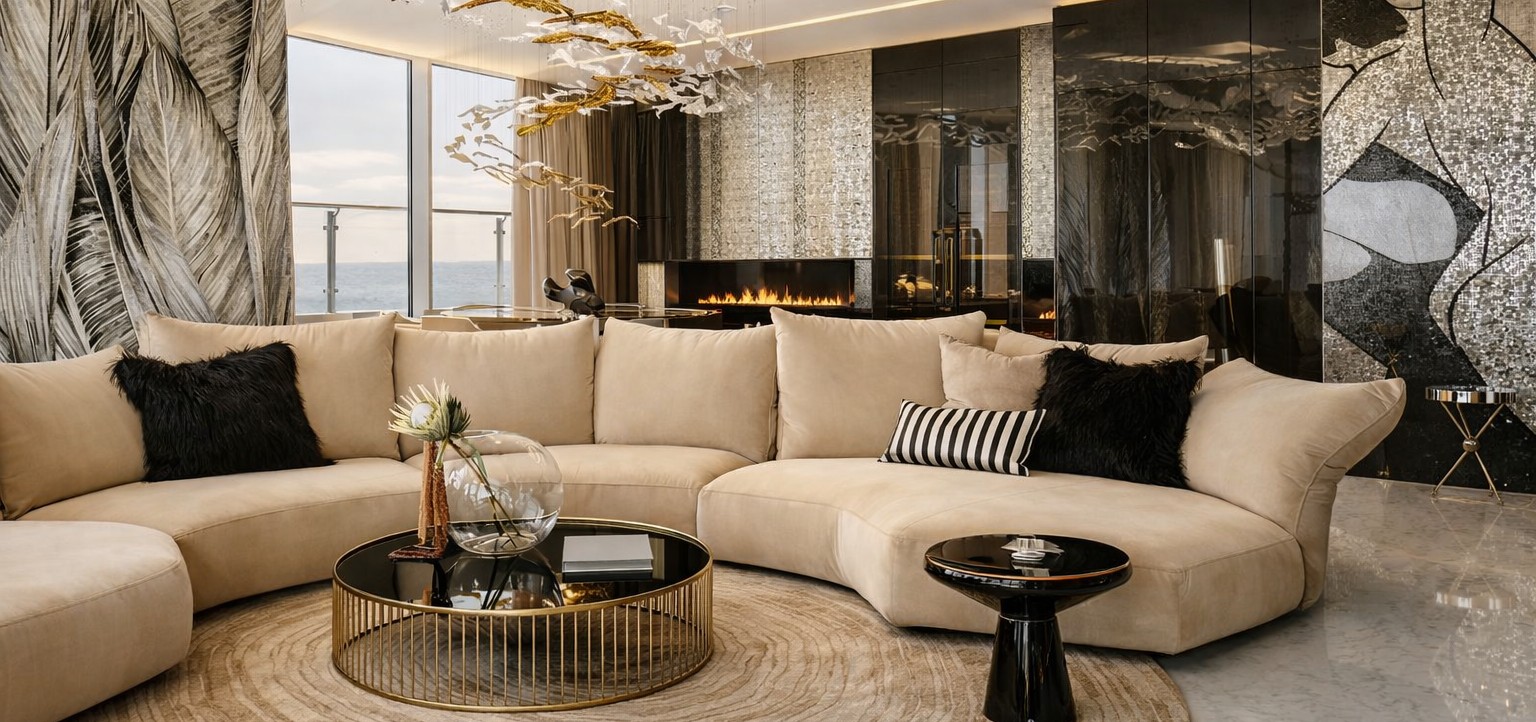
Imagine, for example, a living room in various shades of gray: the walls can be covered in a light, delicate gray, while the furniture will attract the eye with a more saturated, steely shade.Glamorous accessories (e.g., pillows) and rugs can have even darker tones. Thanks to this approach, the interior gains depth, and every part of the space becomes interesting, despite being limited to a single color.
3. Subtle patterns and textures – add character
Although the monochromatic style is based on a single color, this doesn't mean abandoning patterns and textures. On the contrary, they are a great tool for livening up an interior and giving it a unique character. Of course, moderation is key – too many patterns can introduce chaos and disrupt cohesion.
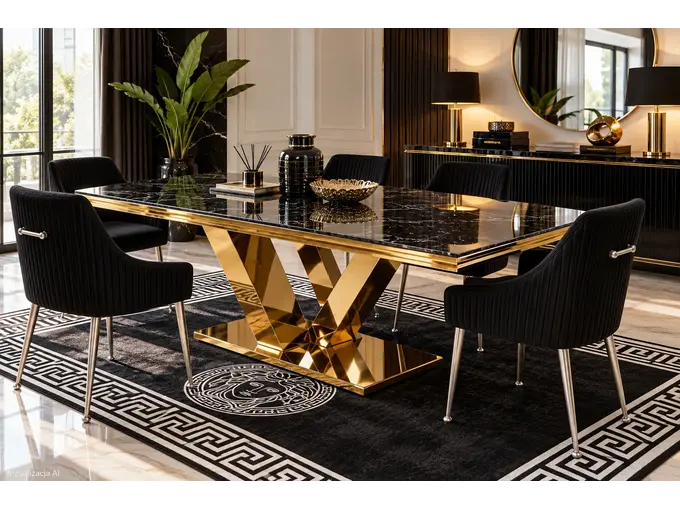
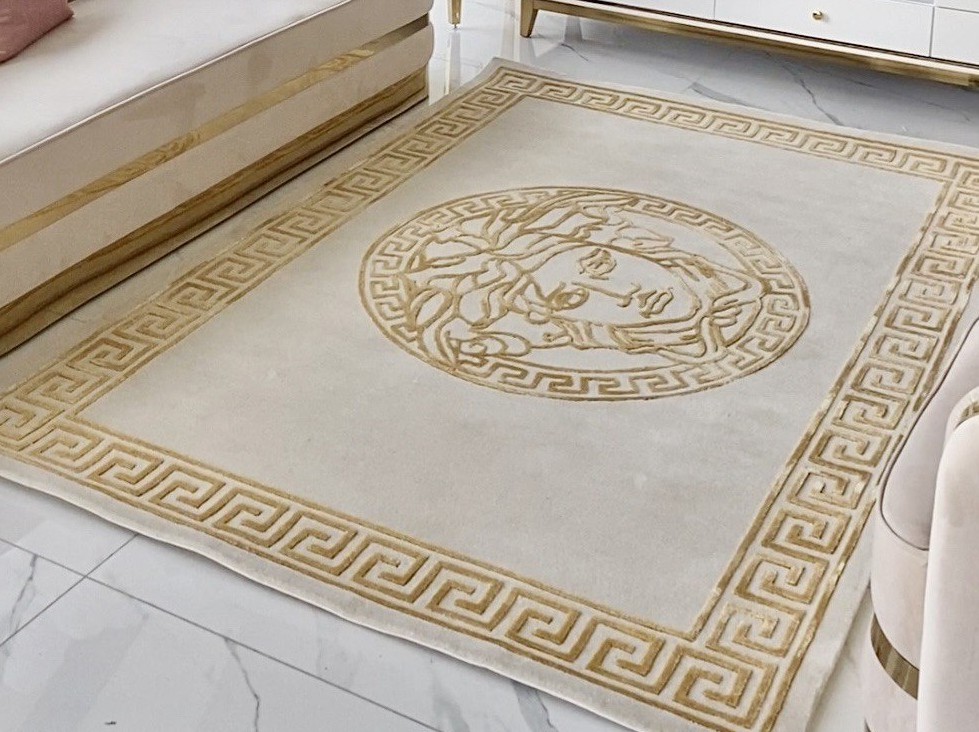
It's worth choosing subtle textures that subtly differentiate the space without distracting from the monochromatic palette.This could be, for example, a smooth, glossy wallpaper in a single shade, paired with matte, soft cushions or a velvet sofa. Patterns can appear in details – geometric accents on the carpet or a delicate pattern on the curtains will add visual variety without disrupting the color scheme.
4. Materials and Textures – The Secret to a Dynamic Interior
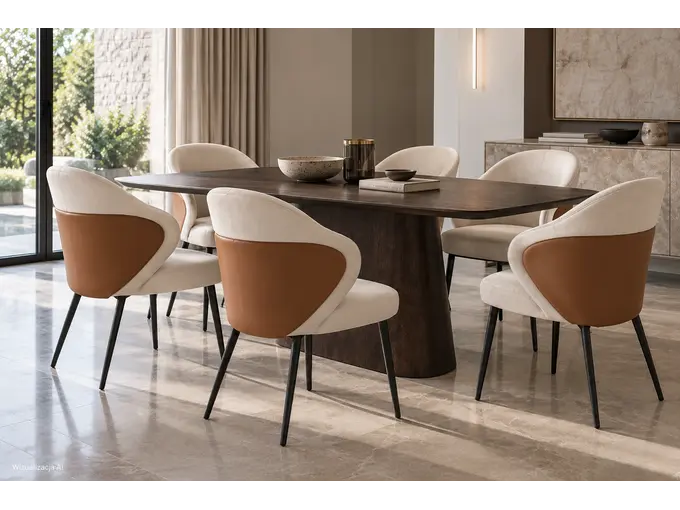
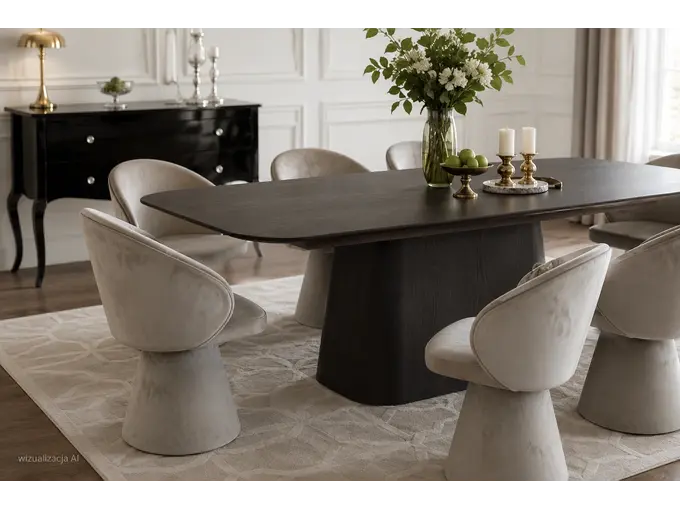
When creating monochromatic interiors, we must remember that it is the materials and textures that define their dynamics.Your priority should be a variety of textures – soft, pleasant-to-the-touch fabrics, combined with harder, more raw elements such as wood or metal, create interesting contrasts.
Imagine an interior where silk wallpaper dominates the walls, the furniture is upholstered in soft velvet, and the floor is decorated with natural wood. The variety of textures makes the interior cozy and interesting despite the uniform color scheme.

5. Lighting and Decorations – The Play of Light and Shadow
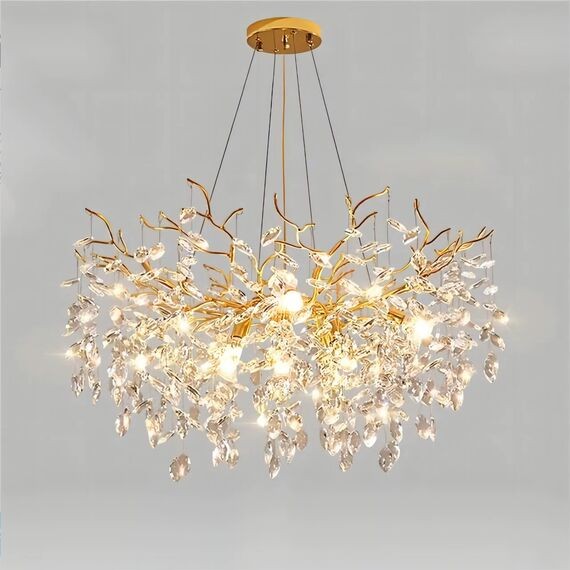
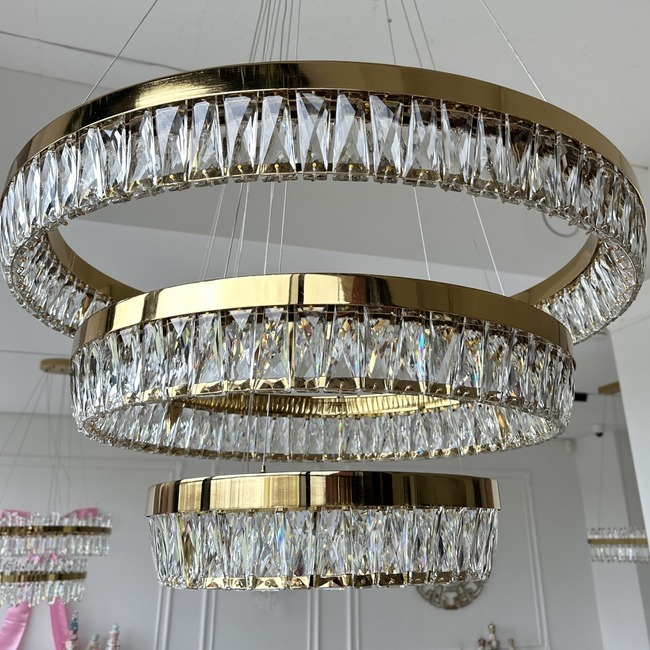
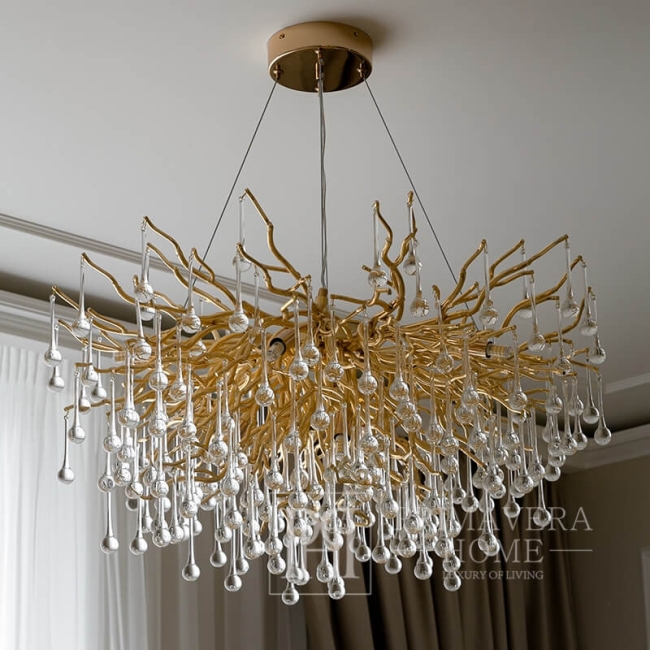
Lighting is an integral element of interior design, and plays a special role in a monochromatic style. Light can emphasize differences between shades and bring out textures. That's why it's so important to plan your light sources properly – start with the main ceiling light and floor lamps, and then focus on decorative lamps.
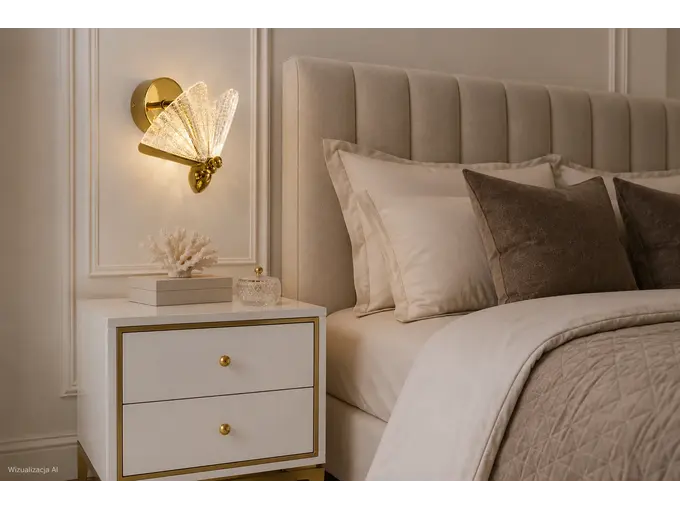
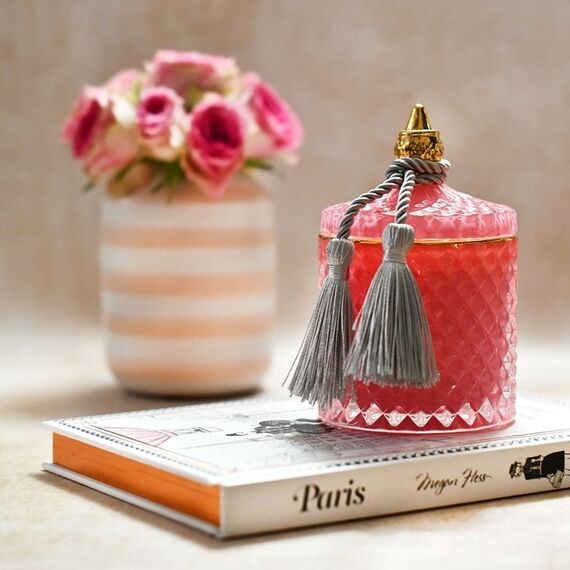
Monochromatic interiors blend beautifully with natural light, which can bring out their full charm. But in the evenings, when we rely on artificial lighting, it's worth investing in lamps with varying light intensities. This allows you to create the right mood – from bright, functional lighting to soft, atmospheric evening lighting. All the decorative accents, such as vases, picture frames, and minimalist sculptures in the same color scheme, will give the interior a personal, original character.
Monochromatic style: consistency comes first
Designing a monochromatic interior is the art of balancing subtlety and expressiveness. Although we're limited to a single color, there are plenty of possibilities – playing with shades, varying textures and materials, and even creatively using lighting and decorations. If you're wondering how to design a monochromatic interior that looks elegant and cohesive, we assure you that our tips will help you achieve your dream effect.
Ready to transform your home? Put our tips into practice and create a space that will charm with its simplicity and delight with its attention to detail! There's something extraordinary about monochromatic interiors – a harmony that can't be faked.
No posts found
Write a review